Occupational Health & Safety in the Hospitality Industry
20 August 2018
The hospitality industry is a fast paced environment and as such can be rife with workplace health and safety hazards. With the high number of casual staff members employed throughout the industry, the additional burden of ensuring each staff member is adequately trained and follows the correct WH&S procedure is part of running a business in this game.
Most staff duties in this industry require some sort of manual labour like lifting, pushing, cleaning, cooking etc. The hazards may include slips, trips and falls, exposure to hazardous substances, and cutting oneself.
What can you do to reduce health and safety risks?
Safe guarding yourself against potentially unwarranted accidents is not only a public responsibility, but it’s also looking after your own investment as the business owner.
Here are some tips:
Initial Training During Orientation
A strong initial staff orientation designed to familiarise the staff with the operation of your venue can help instil proper procedures and measures, is a necessary first step in setting the standards for all employees.
Identify key hazardous areas/situations
Prevention will always be better than cure. In the workplace such as club, pub and hotel venues, you will have areas that are high risk. Cleaning the beer lines, for example, is one of the more important jobs needing to be addressed. Identify your hazard, and document safe work processes, so staff understand what is required of them.
Continuous training, reminder and seminars
Whilst the industry is being looked on by different regulators such as the Workplace Health and Safety Queensland (WHSQ), business owners must remain proactive in conducting training in occupational health & safety. The onus falls on the business owner to provide a safe workplace, and the employee on following safe work practises.
The nature of staffing in the industry is having young, part-time and casual workers and as such, ‘commitment’ and ‘work ownership’ is often times absent. Together with a lack of training, it’s a combustible situation waiting to happen. Ensuring your workplace is safe and that all potential risks are managed is always a worthwhile initiative that can help you protect your business investment.
Latest News

Geelong Home Loans team receive great 5 star review!

AML/CTF Compliance Notice - M Group

When it comes to financial planning, one of the most powerful, and often overlooked concepts is the relationship between human capital and physical (investment) capital.
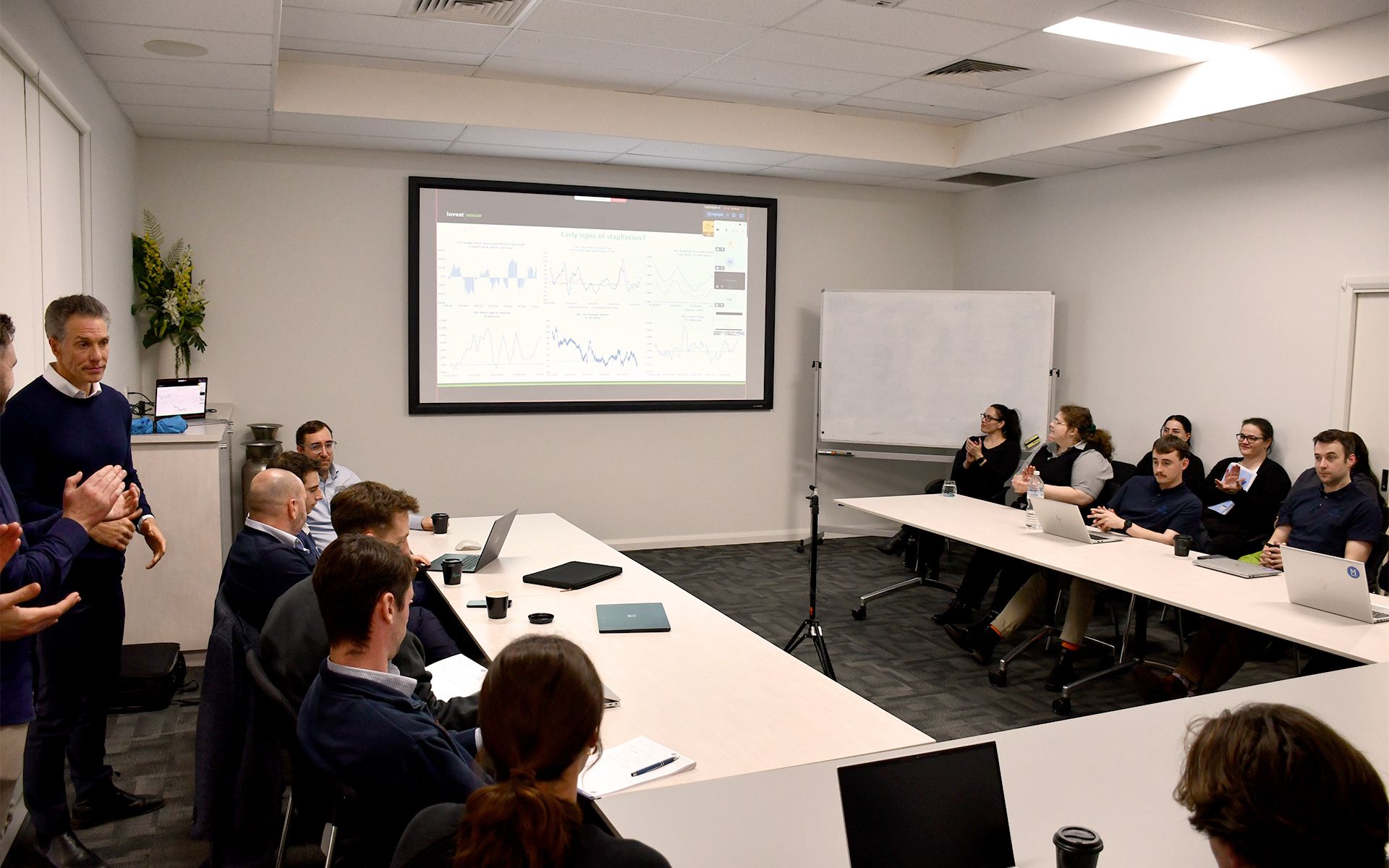
Did you know our Financial Planning division engage a research partner to assist their advisors in keeping up to date with the latest information in local and international economics? The partner is InvestSense and Jonathan Tolub from InvestSense attended the recent Investment Committee Meeting held in the Ballarat office. Our Marketing division filmed and edited the 16 minute presentation and you can watch it below. To talk to one of our Financial Planners about the Share Market, contact us here.