
Average Transaction Value and Number of Transactions
31 December 2018
Average Transaction value
The average transaction value is calculated by dividing the total value of all transactions by the number of transactions or sales. This can be calculated on a daily, monthly or annual basis.
An example of this may be - sales of $200,000 for the year, generated from 10 sales or transactions. Therefore the equation would be 200,000 / 10 = $20,000. The average transaction value is $20,000.
3 Common Mistakes
- Not considering the costs involved in the transactions or process.
- Utilising a certain cut-off period (IE sales transactions may fall over into the following period and therefore certain costs may be missed).
- Upselling products or services to increase the average transaction value.
Average Number of Transactions
The average number of transactions is calculated by using the number of transactions over a specified period of time and dividing that by the time period of the desired outcome.
An example of this may be – total number of transactions for the year would be 1095 and the desired outcome is how many transactions on average would there be daily? Therefore the equation is 1095/365(days in a year) = 3 transactions per day.
3 Common Mistakes
- Coupling transactions together as a single sale.
- Expanding a single transaction to multiple transactions.
- Using data from a specific time period, taking into account seasonal expectations if need be.

Episode 25
Do you want fries with that? Increasing your businesses 'Average Transaction Value' can dramatically improve your profit without the cost of attracting new customers.
Jodie Thompson from our Sunshine Coast office talks to host Gavin Nash about this very topic and gives some great examples and tips on how to do it.
Available on Apple Podcasts & Spotify or right here!
Latest News

Geelong Home Loans team receive great 5 star review!

AML/CTF Compliance Notice - M Group

When it comes to financial planning, one of the most powerful, and often overlooked concepts is the relationship between human capital and physical (investment) capital.
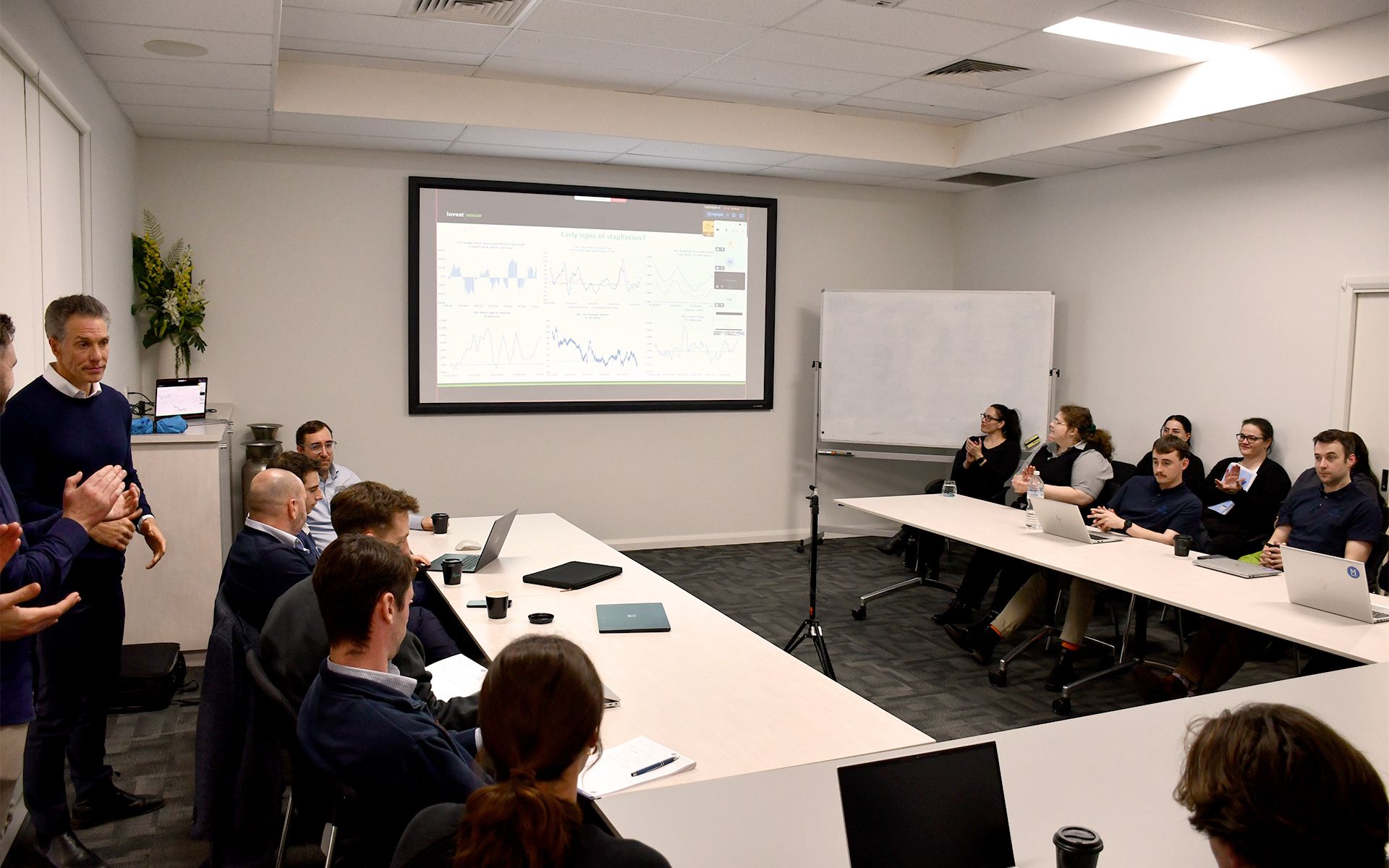
Did you know our Financial Planning division engage a research partner to assist their advisors in keeping up to date with the latest information in local and international economics? The partner is InvestSense and Jonathan Tolub from InvestSense attended the recent Investment Committee Meeting held in the Ballarat office. Our Marketing division filmed and edited the 16 minute presentation and you can watch it below. To talk to one of our Financial Planners about the Share Market, contact us here.