
Job Keeper Payment
30 March 2020
Yesterday the government announced a new payment to support business to keep workers employed.
In summary, if the business has a turnover under $1 billion and this turnover has reduced by more than 30% due to the impact of the coronavirus (or 50% if over $1 billion), then each eligible employee will be entitled to a fortnightly payment of $1,500 before tax. The subsidy will commence from the 30/3/20 and be for a maximum of 6 months, with first payments being made in the first week of May.
An eligible employee is:
- Someone who is currently employed by the eligible employer, including those stood down or re-hired,
- Were employed by the employer at 1/3/20
- Are full time, part time, or long term casuals (a long term casual is someone employed on a regular basis for longer than 12 months as at 1/3/20)
- Are at least 16 years of age
- Are an Australian citizen, the holder of a permanent visa, a Protected Special Category Visa Holder, a non-protected Special Category Visa Holder who has been residing continually in Australia for 10 years or more, or a Special Category (Subclass 444) Visa Holder; and
- Are not in receipt of a JobKeeper Payment from another employer.
The payment is also available to businesses without employees, such as the self-employed.
To register your business visit:
https://www.ato.gov.au/general/JobKeeper-Payment/
If you have any further questions, please contact us at Mulcahy & Co to assist.
Latest News

Geelong Home Loans team receive great 5 star review!

AML/CTF Compliance Notice - M Group

When it comes to financial planning, one of the most powerful, and often overlooked concepts is the relationship between human capital and physical (investment) capital.
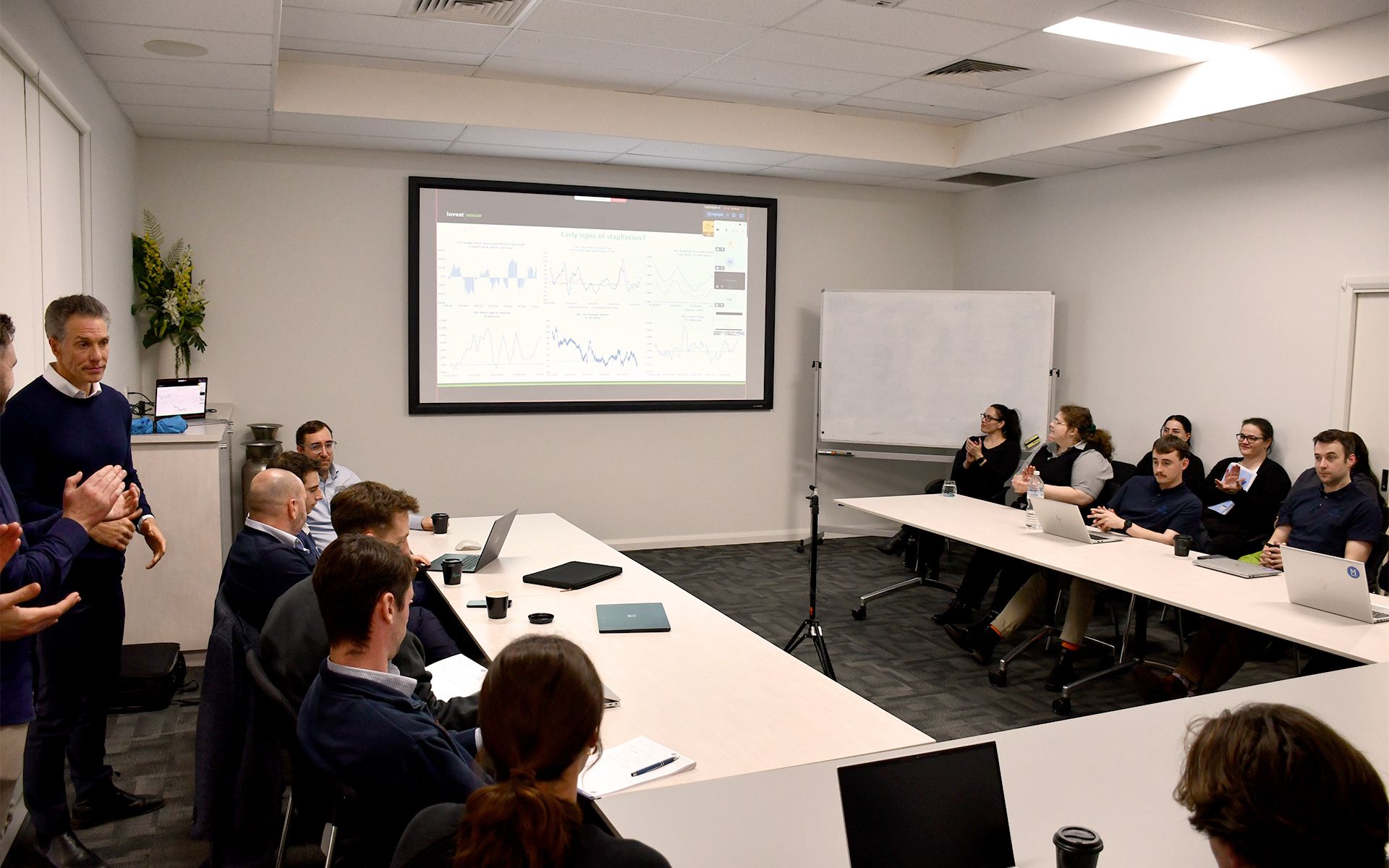
Did you know our Financial Planning division engage a research partner to assist their advisors in keeping up to date with the latest information in local and international economics? The partner is InvestSense and Jonathan Tolub from InvestSense attended the recent Investment Committee Meeting held in the Ballarat office. Our Marketing division filmed and edited the 16 minute presentation and you can watch it below. To talk to one of our Financial Planners about the Share Market, contact us here.