
Division 7A Explained
14 March 2013
One of the high risk areas of tax and one that the Australian Taxation Office is continuing to monitor, is Division 7A. What is Division 7A you say? We have summarised below some of the situations where Division 7A may apply to you and the tax consequences or these arrangements.
Division 7A applies to all loans, advances and other credits made by private companies to shareholders (or their associates). The transactions that may be subject to Division 7A include:
- Amounts paid by the company to a shareholder or shareholder’s associate. Payments include transfers of property for less than the amount that would have been paid in an arm’s length dealing.
- Amounts lent by the company to a shareholder or shareholder’s associate. Note that this Division does not catch loans fully repaid by year-end.
- Debts forgiven which were owed by a shareholder or shareholder’s associate to the company that the company forgives.
Payments treated as dividends
Generally, all payments made by a private company to a shareholder or shareholder’s associate are treated as dividends at the end of the private company’s year of income, provided there is sufficient distributable surplus in the company.
Payments not treated as dividends
Certain payments made by a private company to a shareholder or its associate are not treated as dividends. These include:
- A repayment of a genuine debt owed to a shareholder or its associate.
- A payment to a company (but not a company acting as a trustee).
- A payment that is otherwise assessable under another provision of the Act.
- A payment made to a shareholder or shareholder’s associate in their capacity as an employee or an employee’s associate.
- A liquidator’s distribution.
Loans treated as dividends
Where a private company makes a loan to a shareholder or shareholder’s associate in a year of income (other than a loan made in the course of the winding up of a company) and the loan is not fully repaid by the end of that income year, the loan will be treated as a dividend, provided there is sufficient distributable surplus in the company.
Loans not treated as dividends
- A pre-4 December 1997 loan.
- A loan fully repaid in the same year.
- A loan to a company (but not a company acting as a trustee).
- A loan made in the ‘ordinary course of business on commercial terms’.
- A loan made for the purpose of enabling the acquisition of shares or rights under an employee share scheme.
- A loan that is otherwise assessable.
- A loan that meets the definition of an ‘excluded loan’.
Forgiven debts treated as dividends
A debt is forgiven when:
- The debtor’s obligation to pay the debt is released, waived or otherwise extinguished.
- The creditor loses its right to sue the debtor for the recovery of the debt due to the expiration of the statutory limitation period.
- The debtor is effectively released from the obligation to repay the loan notwithstanding the existence of arrangements which imply that the loan remains on foot.
- The creditor assigns its rights under a loan to a third party, the third party is an associate of the debtor and a reasonable person would conclude that the new creditor would not exercise the assigned right.
Forgiven debts not treated as dividends
Debts forgiven in the following circumstances will not give rise to a dividend. These include:
- Where the debtor is a company.
- Where the debt is forgiven because the shareholder or shareholder’s associate has either become bankrupt.
- Where the loan giving rise to the debt which is forgiven has been treated as a dividend.
- If the Commissioner exercises discretion to exclude the forgiven debt from the operation of this Division where satisfied that the shareholder or shareholder’s associate would otherwise suffer undue hardship.
If you are in this situation call us on 1300 204 781
or email us
to have your business's strategies and agreements put in place prior to the end of financial year.
Latest News

Geelong Home Loans team receive great 5 star review!

AML/CTF Compliance Notice - M Group

When it comes to financial planning, one of the most powerful, and often overlooked concepts is the relationship between human capital and physical (investment) capital.
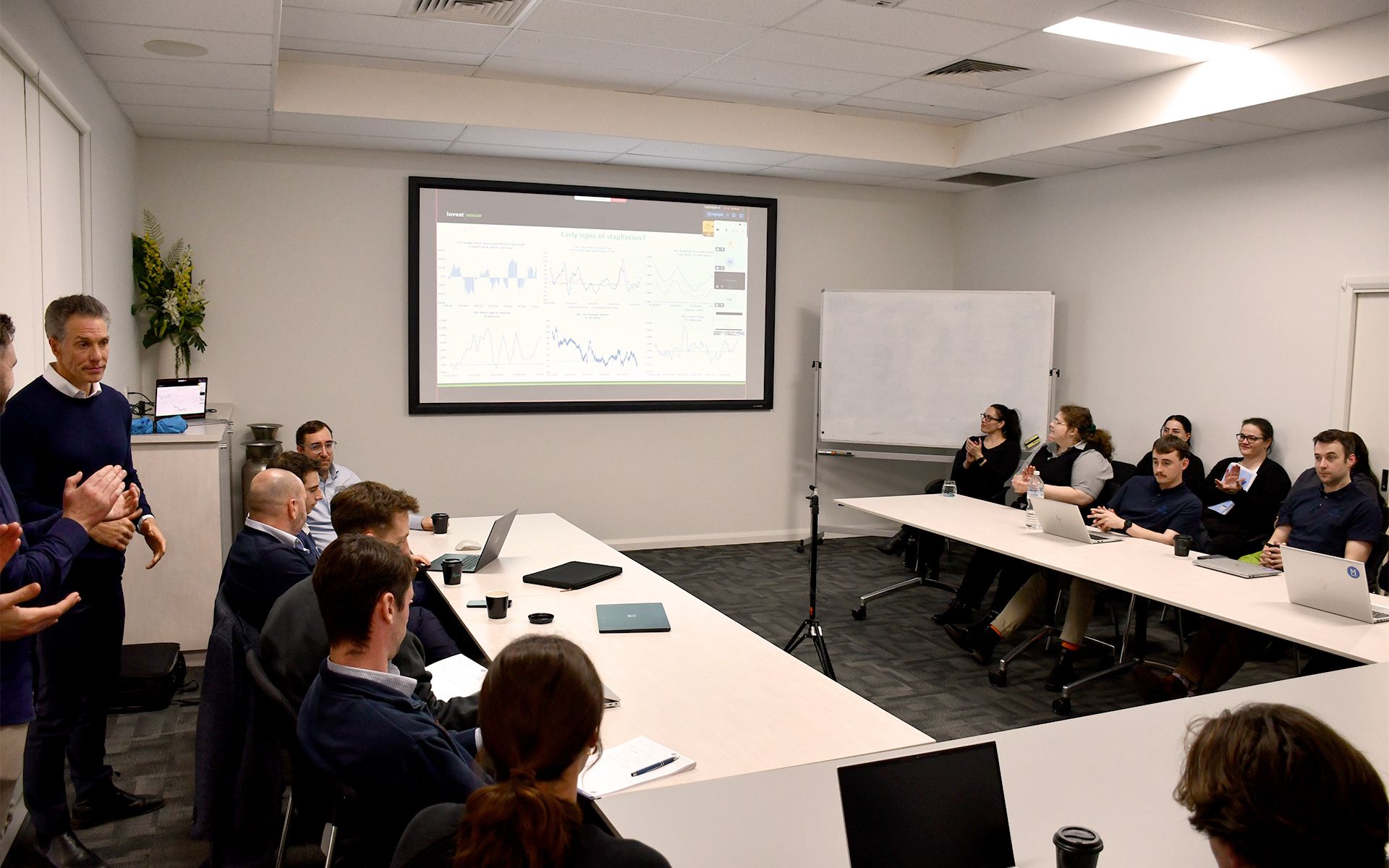
Did you know our Financial Planning division engage a research partner to assist their advisors in keeping up to date with the latest information in local and international economics? The partner is InvestSense and Jonathan Tolub from InvestSense attended the recent Investment Committee Meeting held in the Ballarat office. Our Marketing division filmed and edited the 16 minute presentation and you can watch it below. To talk to one of our Financial Planners about the Share Market, contact us here.