
Trust Distribution Minutes 2020
18 May 2020
With the economy the way it is at the moment, and with everything going on, it’s hard not to get caught up in the ‘now’. The end of the financial year is fast approaching so it’s important to take a step back and ensure that, whilst we’re looking after our business during these unprecedented times, we’re also making sure we’re covering off on the other important tax items that need some attention before 30 June.
Trust Distribution Minutes is one of these.
What is a Trust Distribution Minute?
Trust Distribution Minutes are ‘minutes’ made by the Trustee(s) of a Trust in accordance with the Trust Deed which set out the allocation of the trust’s net income to its beneficiaries for the relevant financial year. These minutes are required by the ATO to be completed and signed by 30 June each financial year (or earlier if required by the Trust Deed).
Valid Trust Distribution Minutes must provide clear methodology of the determination of each beneficiary’s entitlement. Therefore, it is important that the minutes are prepared accurately and with reference to your Trust Deed.
Does it need to be in writing?
Interestingly, the ATO doesn’t insist that a distribution minute be provided in writing (unless this requirement is specified in the Trust Deed). In reality however, the easiest way of being able to substantiate to the ATO that a Trustee has made a distribution resolution before 30 June, should they ask, is by documenting the resolution in the form of a dated and signed minute. A written record will provide better evidence of the resolution and avoid any later disputes, with either the ATO or beneficiaries, as to whether any resolution was made.
Who makes the resolution?
The resolution is made by the Trustees of the Trust and must be signed by the Trustees also. Your Accountant or Business Advisor is here to help you calculate the most tax effective method of distributing the income made by the Trust. In some instances, it may be most tax effective to distribute the income of your trust equally between beneficiaries. In other cases though, interim financial statements and in-depth tax planning may be required to determine the most tax effective way to distribute the income from your trust between the beneficiaries.
What do I need to do?
Your Accountant or Business Advisor will be in touch prior to 30 June to discuss your situation with you and determine if there is a need for tax planning to calculate the best outcome for you and any other beneficiaries of your Trust.
In the meantime though, if you have any questions or would like to talk more about tax planning or Trust Distribution Minutes, please don’t hesitate to contact us.
Latest News

Geelong Home Loans team receive great 5 star review!

AML/CTF Compliance Notice - M Group

When it comes to financial planning, one of the most powerful, and often overlooked concepts is the relationship between human capital and physical (investment) capital.
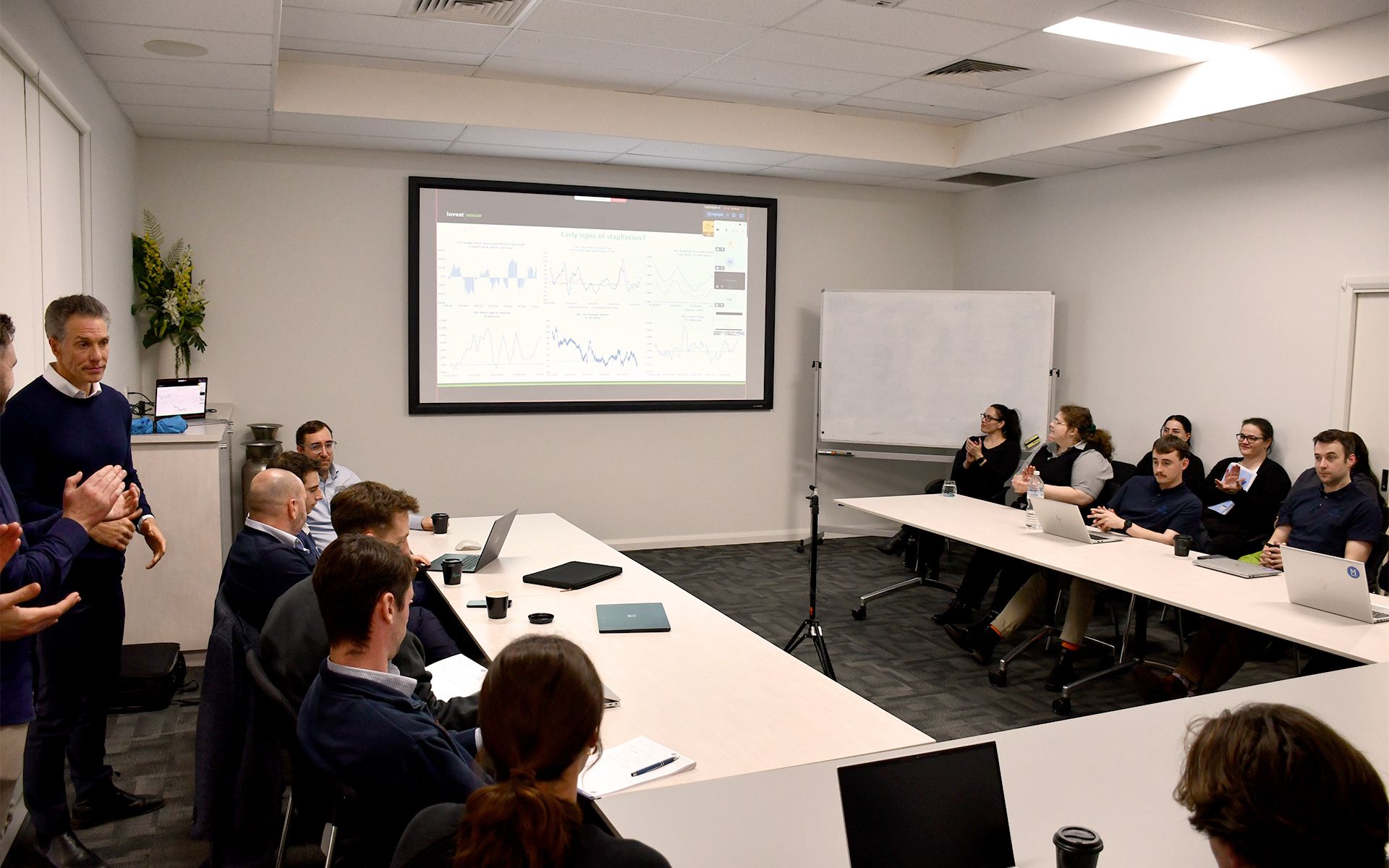
Did you know our Financial Planning division engage a research partner to assist their advisors in keeping up to date with the latest information in local and international economics? The partner is InvestSense and Jonathan Tolub from InvestSense attended the recent Investment Committee Meeting held in the Ballarat office. Our Marketing division filmed and edited the 16 minute presentation and you can watch it below. To talk to one of our Financial Planners about the Share Market, contact us here.