
Property investing in a SMSF
22 January 2020
Property investing using self-managed superannuation.

Australians love of property as an investment class extends to those investors who operate a self managed superfund (SMSF). In fact, the Australian tax office statistics show that direct property makes up around 15% of all SMSF assets.
This can be further broken down to show that 10% is represented by commercial property and 5% by residential property, showing the trend of business owners to purchase business premises.
The tax office recently issued letters to those with a SMSF whose investments were solely or at least heavily weighted to one particular property. This highlights one of the considerations in determining if owning a property in a SMSF is an appropriate course of action for SMSF members.
So with this said, what are some reasons people establish a SMSF to invest in a property or hold direct property investments in SMSF:
While the above highlights some of the issues to consider it doesn't mean that you should not consider direct property as an investment for your SMSF. Rather, it is essential to consider your overall financial position and goals to ensure your investments of any type are appropriate to your circumstances.
If you're considering investing in property via your SMSF, give the friendly team at Mulcahy & Co Geelong a call to discuss your options. With the tax office targeting SMSF property owners it is more important than ever to ensure you are aware of all the rules and how they apply to you.
This can be further broken down to show that 10% is represented by commercial property and 5% by residential property, showing the trend of business owners to purchase business premises.
The tax office recently issued letters to those with a SMSF whose investments were solely or at least heavily weighted to one particular property. This highlights one of the considerations in determining if owning a property in a SMSF is an appropriate course of action for SMSF members.
So with this said, what are some reasons people establish a SMSF to invest in a property or hold direct property investments in SMSF:
- Purchase of a business premises to operate their business from rather than leasing
- Transfer current owned business premises to a SMSF and leaseback from business entity
- Access current superfund balances as deposit on property
- Using compulsory super guarantee contributions to assist with property loan repayments
- Concessional tax treatment on rental earnings - 15% tax rate (zero tax for those in pension)
- Concessional capital gains in a SMSF - if property held over 12 months only pay 15% on 2/3 of the gain, if in pension mode pay zero tax
- Retirement planning
- Asset protection
- You are not allowed to purchase residential property from a related party
- You and related parties are not able to use for free, or for market value residential properties held in SMSF
- Lack of diversification - if you have all funds invested in a sole property and no other investments
- Tougher lending restrictions and less lending alternatives , also impacts what works/improvements can be done to properties held in SMSF
- Issues with any changes to the members of superfunds
- Lack of liquidity - especially for unexpected circumstances like death or divorce of members
While the above highlights some of the issues to consider it doesn't mean that you should not consider direct property as an investment for your SMSF. Rather, it is essential to consider your overall financial position and goals to ensure your investments of any type are appropriate to your circumstances.
If you're considering investing in property via your SMSF, give the friendly team at Mulcahy & Co Geelong a call to discuss your options. With the tax office targeting SMSF property owners it is more important than ever to ensure you are aware of all the rules and how they apply to you.
Contact our friendly staff at Mulcahy & Co Geelong
to schedule an appointment to discuss your investment property tax implications.
Mark Cunningham
Director, Mulcahy & Co Geelong
Director, Mulcahy & Co Geelong
Latest News

Geelong Home Loans team receive great 5 star review!

AML/CTF Compliance Notice - M Group

When it comes to financial planning, one of the most powerful, and often overlooked concepts is the relationship between human capital and physical (investment) capital.
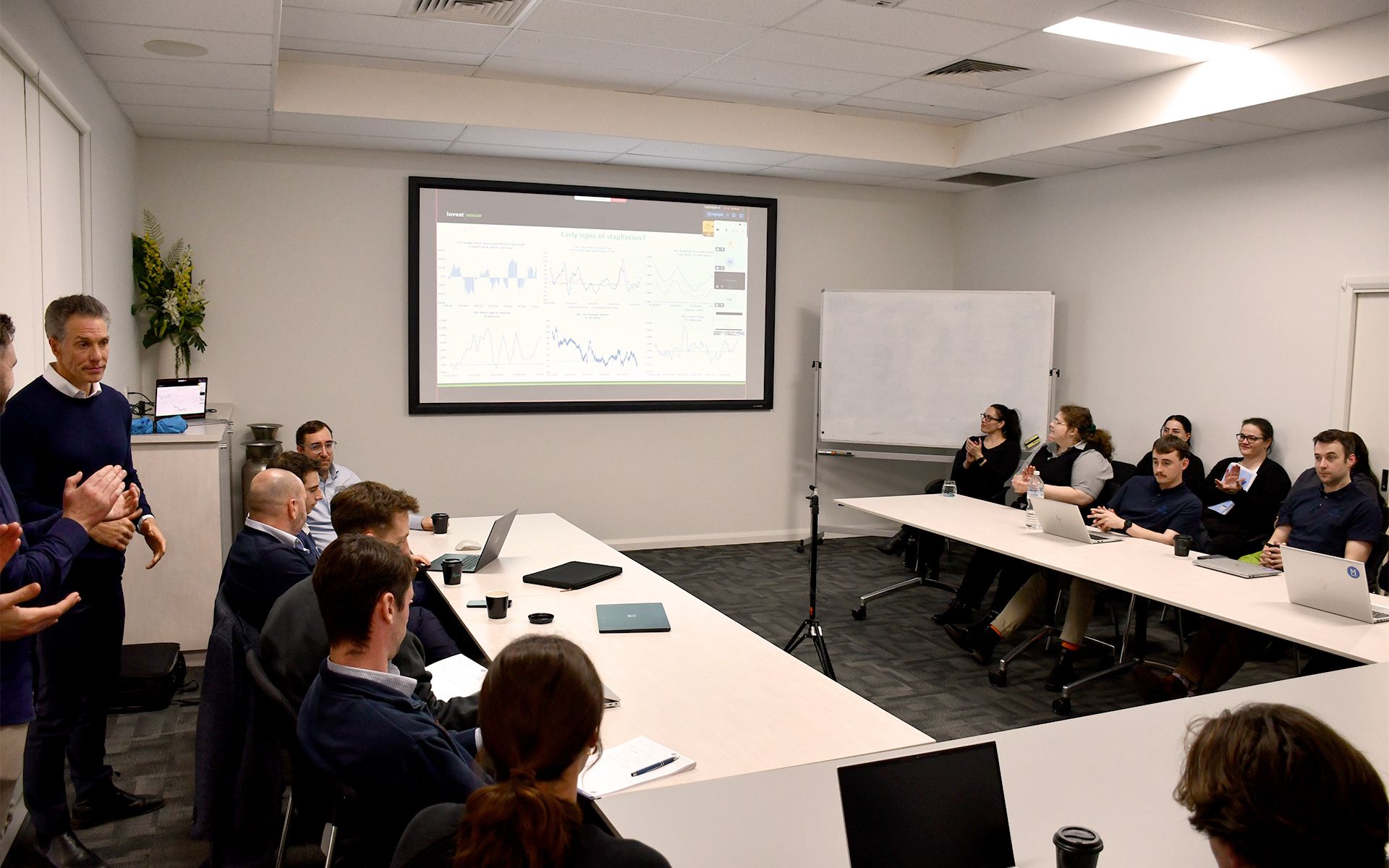
Did you know our Financial Planning division engage a research partner to assist their advisors in keeping up to date with the latest information in local and international economics? The partner is InvestSense and Jonathan Tolub from InvestSense attended the recent Investment Committee Meeting held in the Ballarat office. Our Marketing division filmed and edited the 16 minute presentation and you can watch it below. To talk to one of our Financial Planners about the Share Market, contact us here.