
How to calculate your FBT entertainment expenses
22 February 2016
FBT obligations are employer’s responsibility. The ATO does not notify you of how much you’ll have to pay for FBT. You and your accountant will have to calculate your FBT debt.
The FBT rate varies annually. This year, for FBT period ending in March 2016, the rate is 49%.
Methods of Calculation
Meals and entertainment can be a grey area when it comes to FBT. What, where and why food is provided can have an impact to FBT calculation. Meals and entertainment FBT is calculated on a basis using one of the following three methods: the 50/50; the actual cost and the 12-week register.
A lot of small and medium scale business use the 50/50 rule as it the simplest of the three. Lacking complex understanding and software also contribute to the decision to go the 50/50 route for SMBs.
However, understanding the differences and how each method treats FBT will produce a more productive conversation with your accountant. It can also help you in determining how you provide benefits in the future.
50/50 method
The 50/50 method calculates FBT on 50 % of the total taxable value of fringe benefits incurred by providing meal entertainment during the FBT year (1 April to 31 March). The total meal entertainment expense includes providing food and drink to employees on your business premises and/or providing meals for clients. As a general rule, the 50/50 method comes into play when businesses do not have all the attendee data.
Actual method
This method may be most appropriate when organisations can identify the attendees at the majority of meals and entertainment provided at individual events or the total value of all meals and entertainment during the FBT year. Businesses should choose this method to calculate the taxable value based on actual expenditure.
12-week register method
The 12-week register method involves tracking the taxable value of each individual fringe benefit. It is based on the percentage of meals and entertainment provided to employees (versus non-employees) as itemised within a register or log for a 12-week representative period.
What’s included and what’s not?
When it comes to food or entertainment, the venue of where it was provided and who it was given to are important factors when determining whether or not FBT is to be applied or not. The table below shows a summary.
If entertainment was provided on a work day (in-house, meetings etc):
| Providing | To | Cost | FBT Applied? |
|---|---|---|---|
| Food & Drink | Employees, Clients & Suppliers | Any Cost | No |
| Family Members | < $300 | No | |
| Family Members | > $300 | Yes | |
| Employees & Family Members | < $300 | No | |
| Employees & Family Members | > $300 | Yes | |
| Clients & Suppliers | Any Cost | No |
If done in another venue:
| Providing | To | Cost | FBT Applied? |
|---|---|---|---|
| Food & Drink | Employees, Clients & Suppliers | Any Cost | No |
| Family Members | < $300 | Yes | |
| Family Members | > $300 | No | |
| Employees & Family Members | < $300 | No | |
| Employees & Family Members | > $300 | Yes | |
| Clients & Suppliers | Any Cost | No |
Irregular and minor benefits
An exemption is made to minor benefits, provided the taxable values is under $300 per employee. It should also be infrequent and irregular.
If you need help in ensuring you only pay what FBT you owe, talk to our advisors.
Latest News

Geelong Home Loans team receive great 5 star review!

AML/CTF Compliance Notice - M Group

When it comes to financial planning, one of the most powerful, and often overlooked concepts is the relationship between human capital and physical (investment) capital.
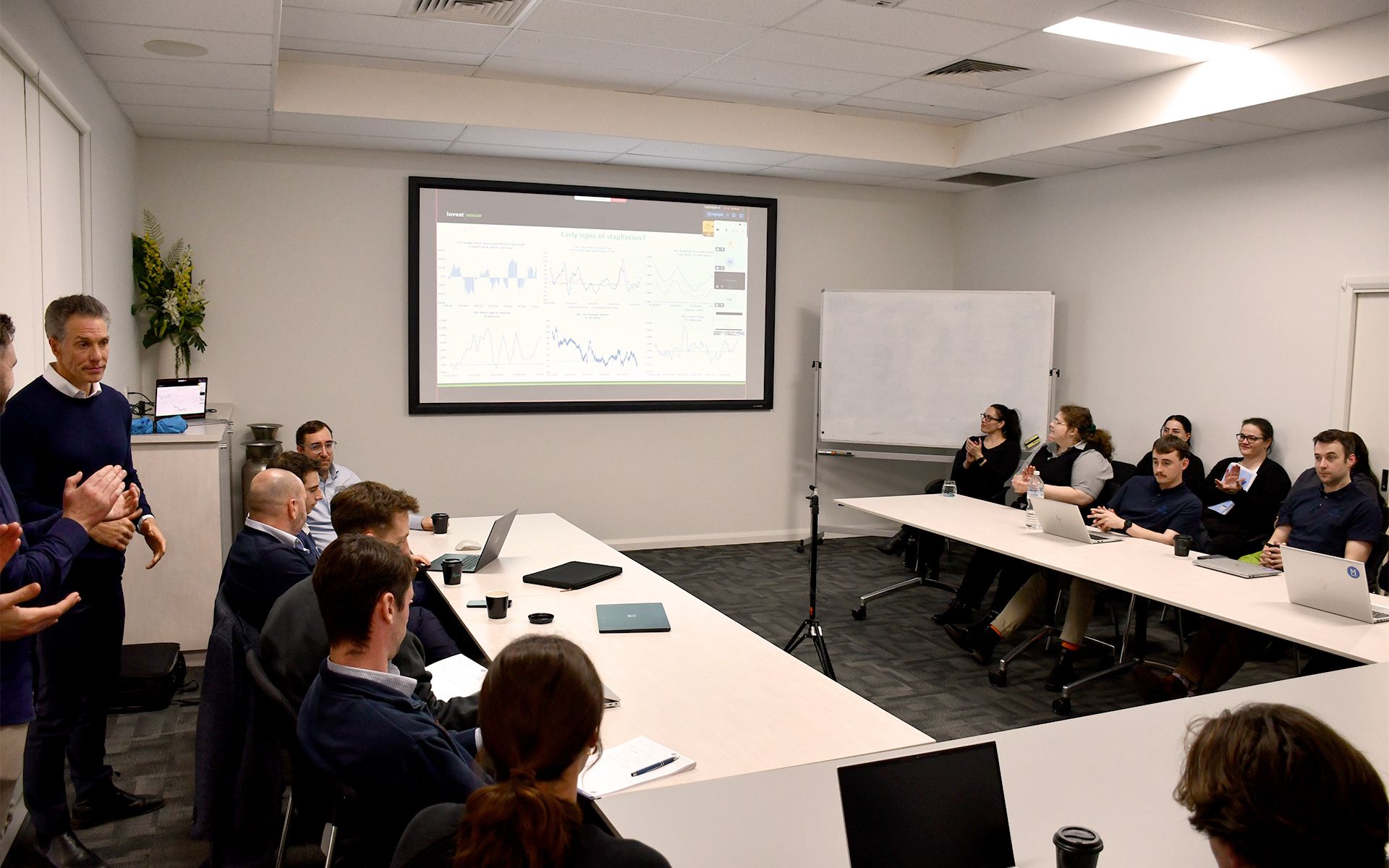
Did you know our Financial Planning division engage a research partner to assist their advisors in keeping up to date with the latest information in local and international economics? The partner is InvestSense and Jonathan Tolub from InvestSense attended the recent Investment Committee Meeting held in the Ballarat office. Our Marketing division filmed and edited the 16 minute presentation and you can watch it below. To talk to one of our Financial Planners about the Share Market, contact us here.